Zhao Liying's Portrait-Rights Lawsuit Names Hongguo Short Drama Companies Amid AI Likeness Allegations
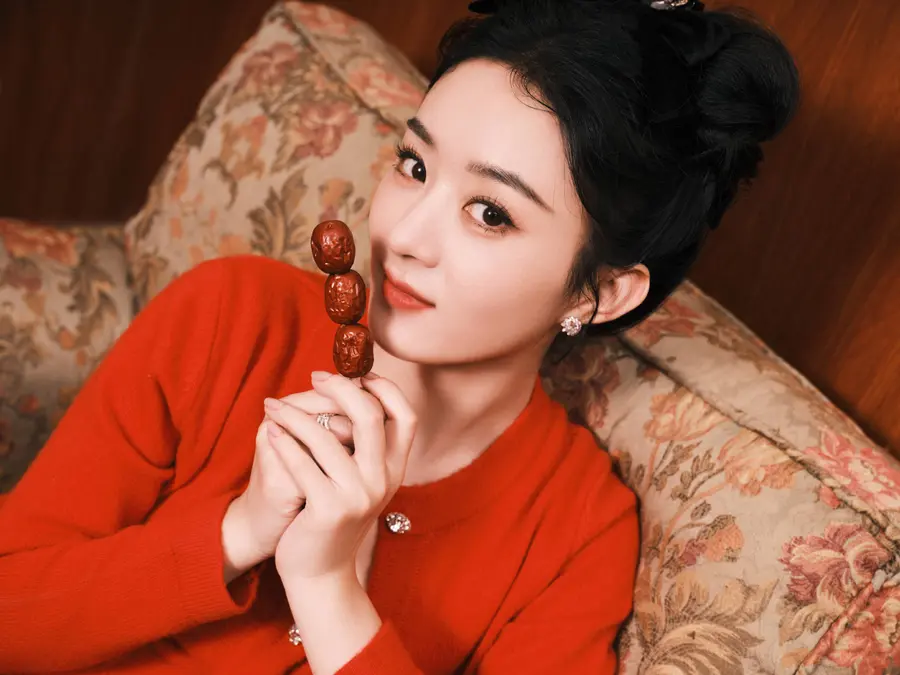
Chinese actress Zhao Liying (赵丽颖) has filed a portrait-rights lawsuit involving companies associated with Hongguo Short Drama, according to November 12 reporting from The Paper, IT Home, and other Chinese media.
The reported case raises a question increasingly relevant to China's short-drama industry: what happens when a digitally generated face is recognizable as a real performer who did not agree to appear in the production?
No court judgment has been reported, and allegations involving unauthorized AI face-swapping remain allegations rather than findings of liability.
What Has Been Reported About the Case?
Citing information from Chinese corporate and litigation-data services, the outlets report that the case was heard through the Beijing Mentougou District People's Court's online courtroom on November 10, 2026.
The reported plaintiff is Zhao Liying. The defendants are identified as:
- Beijing Bimo Liuxiang Technology Co., Ltd. (北京笔墨留香科技有限公司), which operates Hongguo Short Drama;
- Beijing Douyin Information Service Co., Ltd. (北京抖音信息服务有限公司), identified as the operator's parent company; and
- an individual defendant identified by the surname Shi.
These case details come from published reporting of business and litigation records. The underlying court docket and pleadings were not independently accessible for this article.
What Are the AI Face-Swapping Allegations?
The Paper reports that Zhao Liying's side alleges that some short-drama content used her recognizable facial features without permission, including through AI face-swapping or facial synthesis. Reporting also describes allegations that images resembling her were used for promotional covers or commercial traffic.
However, the publicly accessible reporting does not independently establish which videos or promotional images were used, the precise evidence presented to the court, or the responsibility of each defendant.
It would therefore be incorrect to describe Hongguo or the other defendants as having been found liable. The alleged conduct and any potential legal responsibility remain for the court to determine.
Some reports circulated a specific compensation figure, but IT Home noted conflicting attribution of that amount. This article does not reproduce it without a verified case-specific filing.
What Do China's Portrait-Rights Rules Say?
China's Civil Code recognizes portrait rights and restricts certain unauthorized uses of a person's recognizable image.
On September 7, 2026, the Supreme People's Court issued guidance addressing disputes involving artificial intelligence. It explains that, subject to applicable legal exceptions, using AI to generate and publicly use a recognizable digital likeness of someone without consent can infringe personal rights.
That framework helps explain the wider legal stakes. It does not resolve the facts of Zhao Liying's individual case or establish that any named defendant violated the law.
Hongguo Also Introduced New AI Character Documentation
Separately, Hongguo Short Drama's creator center announced a system on November 9 for submitting ownership and authorization materials associated with AI-generated virtual characters.
The platform said creators could submit records supporting permission from real individuals, underlying intellectual property rights, or original character designs. It also cautioned that a rights record does not guarantee legal compliance.
The announcement preceded the November 12 reporting about Zhao Liying's case. No verified evidence establishes that this feature was introduced in response to her lawsuit.
Why This Matters to Chinese Short-Drama Viewers
As AI-generated short dramas become more common, performers and audiences face new questions about consent and authenticity. A character that resembles a familiar actor does not necessarily mean the actor performed in or approved the production.
The lawsuit highlights the importance of recognizable likenesses, documented authorization and platform responsibilities. The broader regulatory focus is not hypothetical: China's National Radio and Television Administration announced a new enforcement initiative on November 6 targeting short-drama abuses that include unauthorized face and voice replication.
For Zhao Liying's case, however, the key facts remain unresolved. Any later court decision or official statement should be reported as a separate development rather than anticipated now.
Sources
- The Paper's November 12 reporting, syndicated by Eastmoney — reported parties, November 10 hearing, alleged AI-likeness use, and legal context.
- IT Home — November 12 case reporting — identifies the reported parties and notes inconsistencies in compensation claims.
- Supreme People's Court — September 7 AI disputes guidance — official legal framework for recognizable AI likenesses.
- Civil Code of the People's Republic of China — portrait rights protections.
- IT Home — Hongguo's November 9 AI character-rights documentation feature — separate platform announcement.
- NRTA — November 6 short-drama enforcement campaign — broader regulatory context.
Reported case information checked November 12, 2026 (Beijing time). No court judgment, official case file, or finding of liability is established by this article.